
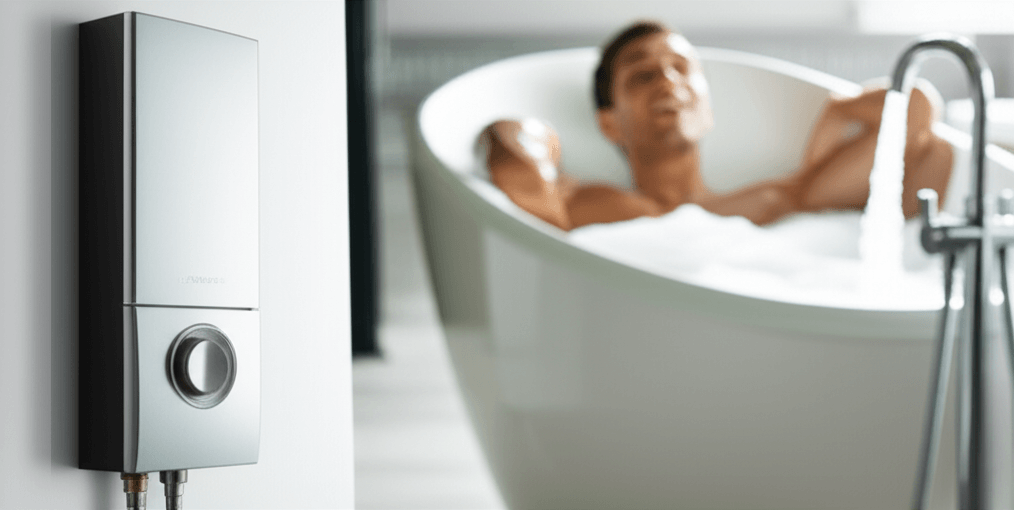
Switching to a tankless water system is a common upgrade homeowners consider when they want steady hot water and lower monthly bills. These units heat water on demand instead of holding a large volume in a storage tank. That change in approach leads to practical benefits for many households, from saving space to stretching the life of the equipment.
This article explores the main benefits of tankless water systems, how they operate, what to watch for when choosing one, and real world examples that clarify when a tankless unit is a good fit. You will find actionable tips on sizing, maintenance, and installation that can help you make a confident decision for your home.
How tankless water heaters deliver hot water on demand
Tankless units contain a heat exchanger and ignition system that warms incoming cold water only when a faucet or appliance calls for it. When a hot water tap opens, water flows through the unit, the burner or electric element activates, and hot water leaves the system immediately. When the tap closes, the unit powers down and no energy is used to keep a tank warm.
This on demand operation eliminates standby heat losses that occur with conventional tanks. In a household with intermittent hot water needs, those losses add up to wasted energy. Because tankless units heat water as needed, they avoid holding and reheating gallons of water that are not in use.
Energy savings and cost considerations for homeowners
Tankless water systems can reduce water heating energy use by a meaningful margin, depending on household patterns. Studies indicate energy savings in a range from single digits to more than thirty percent when compared with older storage tank models, with the exact number depending on hot water demand and fuel type. Households with lower to moderate hot water use tend to see the largest percentage reductions.
- Lower operating cost, not always lower upfront cost. Tankless units generally cost more to buy and install than a basic tank, but they can cut monthly bills over time.
- Payback period varies. Many homeowners recover extra purchase cost in five to ten years, depending on how much hot water the household uses and local energy prices.
- Fuel choice matters. Gas fired tankless models typically provide higher flow rates than electric versions, which affects both performance and energy savings if your home has high simultaneous demand.
Continuous hot water and flow rate planning
One of the most talked about benefits of tankless systems is continuous hot water during long showers or extended appliance cycles. The actual experience depends on flow rate, which is measured in gallons per minute.
Understanding flow rates and temperature rise
Flow rate is the volume of water the unit can heat per minute at a specified temperature rise. For example, a unit rated for eight gallons per minute with a 60 degree temperature rise will support multiple fixtures running at once in many homes. Typical needs are one to three gallons per minute for a shower, and two to three for a dishwasher depending on model.
Sizing examples for common household setups
Here are simplified scenarios to help visualize sizing. A small household with one bathroom might require a unit rated three to five gallons per minute. A household with two showers and a dishwasher running at the same time may need seven to nine gallons per minute. If you have heavy simultaneous demand or very cold incoming water, choose a unit with a higher GPM rating or consider multiple units for even coverage.
Space savings and installation flexibility
Tankless systems are compact. Wall mounted designs free up closet or garage space that a 40 to 60 gallon tank would occupy. For homes with limited storage or tight mechanical rooms, the small footprint of tankless units opens installation options closer to demand points, which can reduce heat loss in long runs of pipe.
There are installation considerations to weigh. Some models require upgraded gas lines and specific venting. Electric tankless units may need significant circuit capacity. These factors affect final cost and should be part of the decision early on.
Longevity, maintenance, and reliability
Tankless systems often last longer than traditional tanks. Where a typical storage tank might serve ten to fifteen years, tankless units frequently provide two decades of service with regular care. The durable heat exchanger and absence of a large water reservoir reduce some failure modes common to tank systems.
Routine maintenance tips
To protect a tankless unit and preserve warranty coverage, follow a few straightforward maintenance habits. Flush the heat exchanger annually in areas with hard water to remove scaling. Clean or replace inlet filters on the schedule recommended by the manufacturer. Keep combustion vents and air intakes free of debris. These steps help sustain both performance and lifespan.
Common service issues to monitor
Low hot water flow or inconsistent temperature typically points to mineral buildup, a scaling related problem. Other issues can include clogged filters, insufficient gas supply, or electrical supply concerns. Early detection through periodic checks reduces the chance of emergency repairs and keeps operating costs predictable.
Environmental and efficiency benefits
Because they use energy on demand, tankless units can lower greenhouse gas emissions tied to domestic hot water when compared with older storage tank models. The magnitude of environmental benefit parallels the energy reduction achieved in the home. Choosing a high efficiency gas condensing model can further increase output per unit of fuel, which reduces carbon footprint for the same level of hot water service.
Additionally, smaller physical materials and longer service life mean fewer replacement cycles over the life of a home. This reduces waste from frequent tank replacements and associated disposal of large steel tanks.
How to choose the right tankless system and install correctly
Selecting the right unit begins with a realistic estimate of peak hot water demand and incoming cold water temperature. Make a short list of options that meet your GPM needs, match fuel availability at the home, and fit the installation space. Consider whether a single larger unit or two smaller units will provide better distribution for your floor plan.
Installation quality is a critical part of the equation. Proper venting, correct gas pipe sizing, and appropriate electrical service are important for safe operation and long term performance. Many homeowners prefer to have the unit located near the most frequent points of use to reduce lag and pipe losses. If you want local professional help for sizing and safe setup, check a reliable installer for your area such as Berkeys Tankless Water Heater Installation which can evaluate requirements and handle code compliant installation.
Costs, incentives, and practical ROI
Upfront costs vary widely with unit type and installation complexity. A typical gas tankless unit plus standard installation often costs more than a basic tank model installation. Add potential upgrades to gas lines or electrical panels and the price changes. That said, the operating savings, longer expected life, and possible incentives reduce net cost over time.
- Rebates and local incentives can reduce initial outlay. Check utility programs and local government energy programs for available support.
- Factor in maintenance savings. With no tank to replace and fewer corrosion related problems, long term repair costs can be lower.
- Consider total cost of ownership when evaluating options. That number blends purchase price, installation, yearly operating cost, maintenance, and expected replacement interval.
When comparing options, build a simple spreadsheet with estimated energy savings per year, projected maintenance, and expected life span to see the payback window that matches your situation. For many homes the value is not only dollars saved, but the convenience of steady hot water and less space taken up by equipment.
Tankless water systems offer clear advantages for many households, including improved energy use, continuous hot water, reduced footprint, and long service life. They do require careful sizing and proper installation to meet performance expectations. If your household uses hot water intermittently or you are renovating mechanical spaces, a tankless option is worth serious consideration. To move forward consult a qualified installer who can assess your demand profile, local code requirements, and available incentives so you get a system that performs as expected.
Ready to explore a tankless option for your home This is a decision that benefits from site specific advice and accurate sizing. Contact a licensed plumber to compare models, discuss venting and fuel needs, and obtain a clear cost estimate for parts and installation. If you prefer an experienced local company that offers evaluation and installation services, reach out to a reputable provider for a site visit and written proposal.