
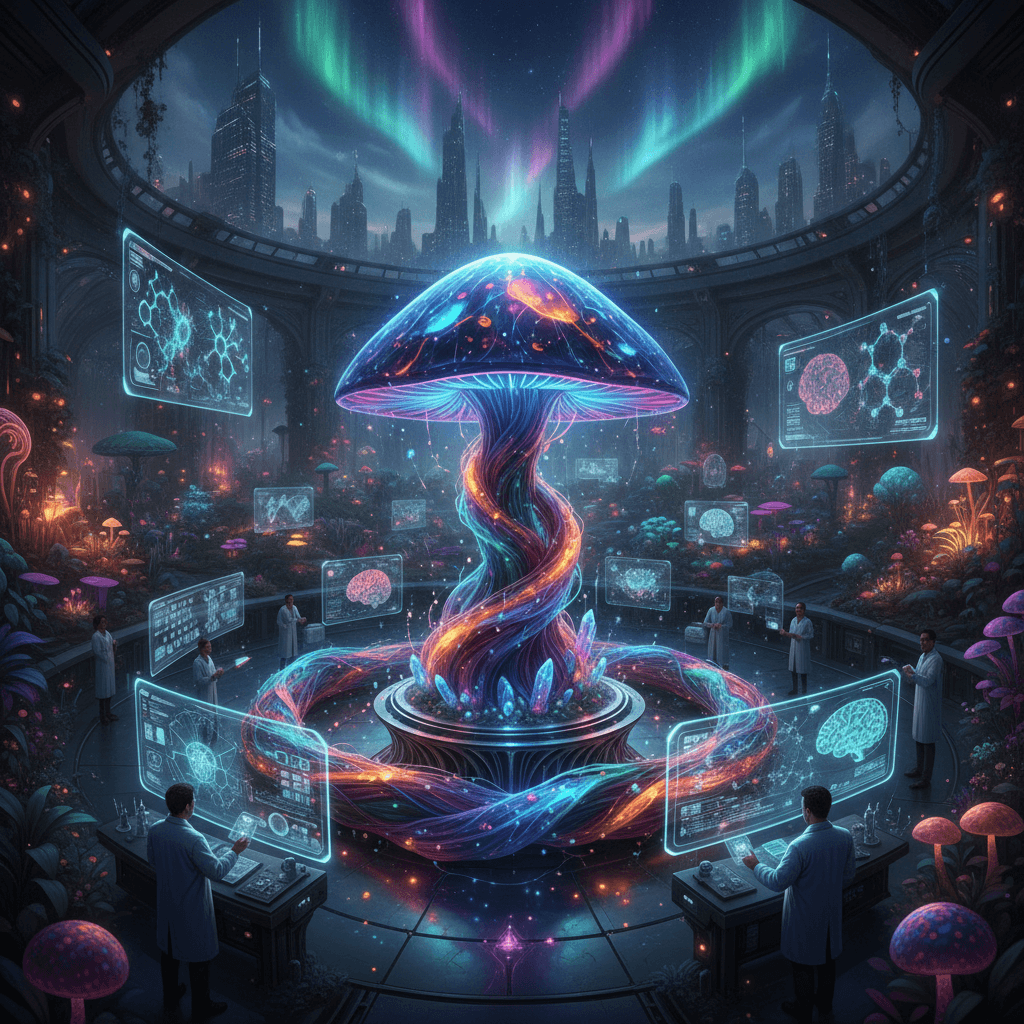
I have observed a significant shift in how society views psychedelic substances. For many years, these compounds were largely associated with counterculture movements and faced strict prohibition. Now, a new era is unfolding. We are witnessing a renewed interest from the scientific and medical communities, transforming psychedelics from taboo substances into potential therapeutic agents.
This evolving landscape suggests that psychedelics are not just about recreation. There is serious exploration into their use for mental health conditions. Researchers are studying them with a focus on rigorous clinical trials and evidence-based approaches. This shift has opened up exciting possibilities for treating a range of challenging conditions.
My goal here is to explore the current state of psychedelic science. I want to look at where this field is heading. We will delve into the innovations, challenges and potential impacts these substances could have on our health and society at large.
The Resurgence of Psychedelic Research
For decades, psychedelic research was halted because of legal restrictions and public misconceptions. Substances like psilocybin and MDMA were classified in ways that made scientific study very difficult. This period of suppression meant we lost valuable time in understanding their potential benefits.
Now, things are changing. I see a clear movement toward reintegrating these compounds into mainstream medicine. Major universities and research institutions are conducting studies. They are investigating psychedelics for conditions like severe depression, post-traumatic stress disorder or PTSD and end-of-life anxiety. The methodology used in these modern trials is incredibly stringent. This helps ensure safety and efficacy.
Early results from these studies are very promising. For example, psilocybin-assisted therapy has shown notable reductions in depressive symptoms for some patients. MDMA-assisted therapy for PTSD has also yielded impressive outcomes. These findings are encouraging many to take a fresh look at what psychedelics can offer when used in a controlled clinical setting. I believe this scientific rigor is key to unlocking their true value and gaining widespread acceptance.
Historical Setbacks and Modern Revival
I remember a time when psychedelics were only spoken about in whispers. The societal fear surrounding them meant serious scientific inquiry was almost impossible. It was a period marked by misinformation and a lack of proper understanding.
Today’s landscape is vastly different. We have seen a steady, methodical return to research driven by a desire to find better treatments for mental health issues. This revival is built on careful planning. It involves ethical guidelines and a commitment to patient well-being. I am proud to see this commitment to scientific integrity guiding the work.
Key Areas of Psychedelic Innovation
When I think about the applications of psychedelic compounds, mental health immediately comes to mind. This is where much of the current innovation is concentrated. We are seeing these substances used in new ways to address conditions that have historically been difficult to treat. For instance, MDMA is being studied as an adjunct to psychotherapy for PTSD. The data suggests it can help patients process traumatic memories with less fear. This allows for deeper therapeutic work.
Psilocybin is another substance making headlines. It shows promise for major depressive disorder and anxiety in cancer patients. Early findings indicate that a single session of psilocybin-assisted therapy can lead to lasting improvements. This could redefine how we approach mental health care.
Beyond these established uses, I see innovation in understanding the neurological mechanisms at play. Researchers are using advanced brain imaging techniques to see how psychedelics affect brain activity. They are discovering how these compounds promote neuroplasticity. This means the brain’s ability to reorganize itself. This knowledge is not just academic. It helps us design better therapeutic protocols. It also allows us to develop new, safer compounds. We are on the cusp of profound breakthroughs in how we treat the mind.
Targeting Specific Conditions
I have been closely following the work being done on various mental health conditions. It is fascinating to see how psychedelics are tailored for particular challenges. For example, ketamine has already gained approval for treatment-resistant depression. It works quickly to alleviate symptoms. This is a game-changer for many patients.
For obsessive-compulsive disorder or OCD, some research suggests that psychedelics could help break rigid thought patterns. This offers hope where traditional treatments often fall short. We are exploring how these substances might reset brain circuits involved in addiction and anxiety too.
Understanding Brain Mechanisms
I find the neuroscience behind psychedelics truly captivating. These compounds interact with serotonin receptors in the brain. This can lead to altered perceptions and states of consciousness. But it is more than just a temporary effect.
Studies show that psychedelics can increase connections between different brain regions. This might explain the feelings of unity and interconnectedness reported by users. It also provides a biological basis for their therapeutic effects. This includes enhanced emotional regulation and cognitive flexibility. I believe a deeper understanding of these mechanisms will pave the way for more targeted and effective treatments.
Navigating Regulatory and Ethical Landscapes
The journey to integrate psychedelics into healthcare is full of obstacles. Regulatory bodies around the world are grappling with how to classify and control these substances. This is a complex process because of their history of prohibition. Different countries are adopting varied approaches. Some are moving towards decriminalization. Others are exploring medical legalization for specific therapies. I watch this global landscape with great interest, as it impacts the speed of research and access to treatment.
Ensuring safe and responsible use is paramount. We cannot overlook the importance of proper screening for patients. Trained therapists are also essential to guide the psychedelic experience. The therapeutic setting must be carefully controlled. This minimizes risks and maximizes benefits. There are also important ethical discussions happening. These involve patient autonomy and equitable access to these potentially life-changing treatments. It is not enough to simply legalize them. We must create a framework that protects patients and upholds the highest standards of care.
I understand that public perception still has a long way to go. Education is key to overcoming stigma. We need clear information about the science and the risks. We need to move past outdated narratives and embrace a more informed view.
Innovations in Psychedelic Delivery and Integration
The field is seeing incredible innovation not just in discovery but also in how we use these compounds. Researchers are developing new formulations. These include non-hallucinogenic psychedelics or compounds with shorter durations of action. This could make psychedelic therapies more accessible and manageable for patients and clinicians alike.
I have seen that the therapy surrounding psychedelic administration is just as crucial as the substance itself. It is a key innovation. This involves careful preparation before the session. It includes guided support during the experience. It also means thoughtful integration afterwards. This integration phase helps patients process their insights. It allows them to apply new perspectives to their daily lives. Without this structured support, the benefits might be temporary. We are learning that the context and care are vital for lasting change.
Advancements in Therapeutic Models
I am particularly interested in how therapeutic models are evolving. It is not simply about giving someone a pill. It is about a holistic approach. This includes specialized training for therapists. They learn how to create a safe and supportive environment. This allows patients to fully engage with the experience.
There are different protocols for different substances and conditions. For example, some therapies involve multiple preparatory sessions and follow-up integration meetings. This careful structure helps patients feel secure and understood. It supports profound healing.
The Importance of Aftercare
I cannot stress enough the importance of integration and aftercare. The psychedelic experience itself is often powerful. However, the real work happens afterward. Patients need support to make sense of their insights. They need help applying them to their lives.
This might involve ongoing therapy, group support, or mindfulness practices. Effective aftercare helps solidify the therapeutic gains. It reduces the chance of relapse. It ensures the experience leads to sustainable positive change. I believe this thoughtful integration is what truly sets modern psychedelic therapy apart.
Societal Impacts and Public Perception
The evolving landscape of psychedelic innovation has ripple effects across society. Public perception is gradually shifting. I observe that media coverage is becoming more balanced. There are more personal stories of healing. This helps to reduce the stigma associated with these substances. People are starting to see them as potential medicines. This is a big step forward from the fear-mongering of the past.
As research progresses, we may see broader decriminalization efforts. We might also see increased access to therapeutic uses. Some cities and states are already moving in this direction. This could mean more people can benefit from these treatments. This would have a significant impact on mental health outcomes nationwide. However, this also brings challenges regarding widespread education. We need to ensure that accurate information is readily available. We must combat any remaining misconceptions to foster an informed public.
The destigmatization of psychedelics is not just about policy. It is about cultural change. It requires open dialogue and thoughtful engagement from all sectors of society. I believe this collective effort will shape how these powerful tools are understood and utilized for generations to come.
Investing in the Future of Psychedelic Science
The commercial side of psychedelic innovation is also experiencing rapid growth. Venture capitalists and pharmaceutical companies are recognizing the immense potential. They are investing heavily in research and development. This influx of capital is accelerating the pace of discovery. It helps fund larger, more comprehensive clinical trials. We are seeing new companies emerge, focusing on drug development. Others are building infrastructure for therapeutic delivery.
This economic activity brings both opportunities and challenges. There is the promise of new treatments reaching a wider patient base. There is also the need to ensure that commercial interests do not overshadow ethical considerations or equitable access. Balancing profitability with patient well-being is a delicate act. I believe responsible investment is crucial. It supports scientific advancement without compromising the integrity of the therapeutic mission. We must ensure these innovations serve humanity first.
For those interested in the broader picture of this field, understanding the future psychedelic innovation shows a fascinating intersection of science, medicine and commerce. It highlights the many layers of development happening now.
Looking Ahead: Our Collective Role in This New Frontier
I see that the future of psychedelic innovation holds immense promise. We are moving from a period of ignorance and fear to one of scientific exploration and hope. Researchers are uncovering the therapeutic potential of these compounds for a variety of mental health conditions. Innovations in drug delivery and therapeutic models are making these treatments safer and more effective. Society is slowly but surely shifting its perspective, embracing evidence over outdated prejudices. This is a complex and evolving field and it requires careful consideration from all of us.
We must continue to support rigorous scientific research. We must also advocate for sensible regulatory frameworks. These frameworks will ensure patient safety and promote equitable access. Engaging in informed discussions will help educate the public. It will further destigmatize these powerful medicines. This is not just a scientific endeavor. It is a societal one. Each of us has a part to play in shaping how this new frontier unfolds. Let us approach this with open minds and a commitment to responsible innovation for the benefit of all.